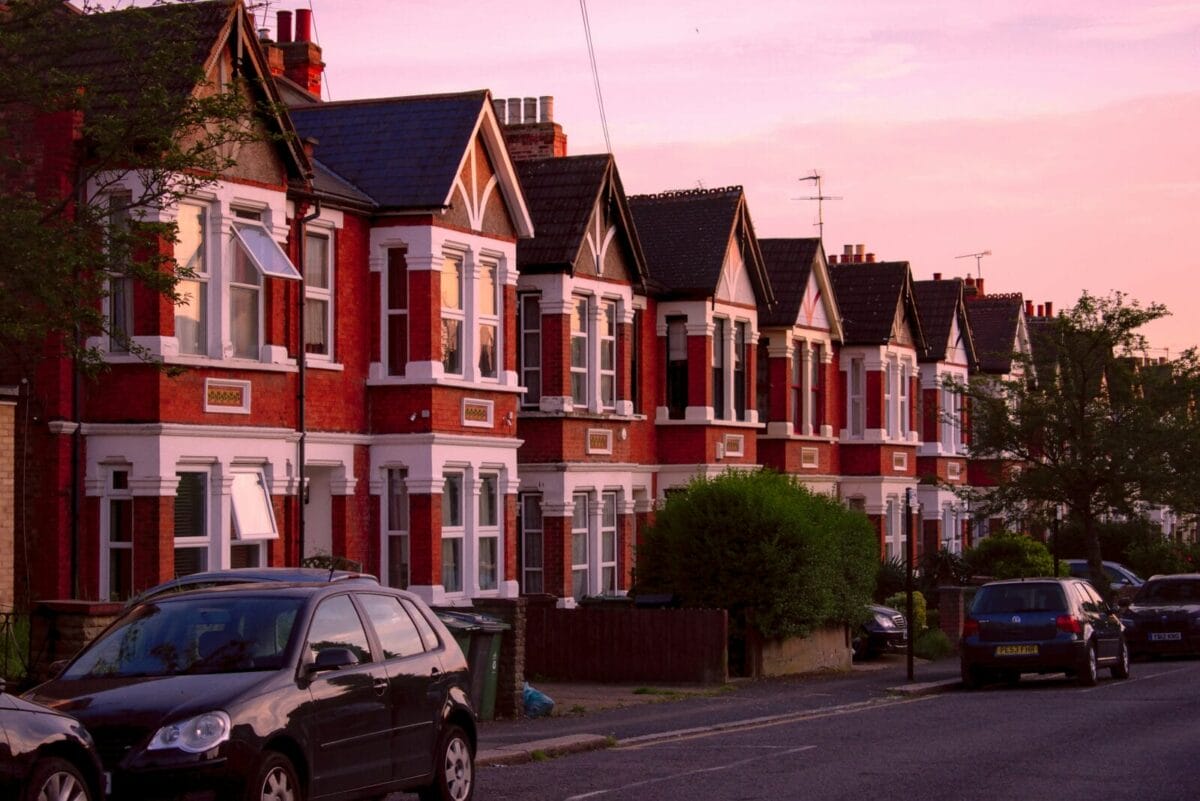
The latest UK House Price Index shows that UK house prices rose by 2.7% in the year to May 2026, with prices increasing by 0.3% between April and May. However, annual growth slowed from a revised 3.9% in April, while the latest figures also show significant regional variations, with prices falling by 3.7% in London over the year.
“The latest UK House Price Index shows the housing market was still moving forward in May, but with signs that momentum may be softening. Average UK house prices rose by 0.3% between April and May and were up 2.7% annually, leaving the typical property valued at £271,000. However, annual growth has slowed from the revised 3.9% recorded in April, suggesting that the recovery remains fragile rather than firmly established.
Recent mortgage rate increases risk taking some momentum out of the housing market just as confidence had started to improve. Lower mortgage rates and the signing of a ceasefire in the Middle East had given some prospective buyers hope that inflationary pressures were easing and that the outlook for interest rates was becoming more predictable. For some, that may have been the catalyst to start viewing properties again or revisit plans that had been put on hold.
However, the renewed uncertainty has once again clouded the picture. Fixed mortgage pricing remains highly sensitive to swap rates and market expectations for inflation and interest rates. Even relatively modest moves can make a meaningful difference to affordability when buyers are already stretched.
First-time buyers are likely to feel the impact most keenly. In England, the average first-time buyer property now costs £244,000, up 2.3% over the year. Many first-time buyers are already pushing hard against deposit requirements, monthly repayments and lender affordability assessments, so even small increases in mortgage rates can reduce borrowing power. Homes that were only just within reach may no longer be affordable, forcing some buyers to delay their plans or look at cheaper properties.
For buyers, the key point is not simply what a lender is willing to offer, but what remains comfortably affordable. Stretching to the maximum may feel necessary in a competitive market, but it leaves little room for unexpected costs, income changes or future rate volatility. Building in a margin for error can help ensure a purchase remains sustainable even if economic uncertainty persists for longer than expected.
For those due to remortgage in the coming months, now may be a sensible time to explore options. Securing a rate in advance can provide valuable certainty if further market volatility feeds through into mortgage pricing. Borrowers may still be able to switch to a better deal if rates fall before completion, but having an offer in place can help protect against the risk of being caught by further repricing.”
Karen Noye, mortgage expert at Quilter
“April’s data was flattered by base effects in the statistics, but these May numbers shine a truer, more unforgiving light on what’s happening in the property market.
The picture revealed isn’t pretty in many English regions. On a monthly basis, prices fell across the Midlands and in the South West in May.
But the sharpest falls by far were seen in London, with average prices in the capital slumping by 3.7% in the year to May, and by 1.2% in May alone.
Several factors lie behind this slide. Firstly, the stark imbalance between supply and demand in the capital. The number of sellers far exceeds the number of serious buyers, and this has created a buyer’s market in which buyers can dictate both prices and transaction levels.
Borrowing costs play a role too. Buyers in London and the South East typically need larger mortgages, and the spike in interest rates following the outbreak of conflict in the Gulf has limited the amount they can afford to borrow – forcing many to drive a very hard bargain on price. Under pressure sellers often have little choice but to accept low offers, and this price cutting is feeding through into the data.
For well-funded buyers, sliding prices have gifted them the strongest negotiating hand seen in years. In London and the prime markets, realistic sellers are already repricing. With mortgage approvals softening, cash and proceedable buyers are firmly in the driving seat.
The one caveat is that Land Registry data tells us where the market was, not where it is. These sales were agreed months ago, and sentiment has moved on since then. With a new Prime Minister and Government now in place, all eyes are on Downing Street for policy steers. Clear direction over the summer would settle rumours, steady nerves and give the market the confidence it has been waiting for.”
Jonathan Hopper, CEO of Garrington Property Finders
“It’s clearly too early to say whether the change in prime minister is likely to have a significant impact on housing market sentiment. One reason for uncertainty has been replaced by another. However, prospects for growth have definitely improved and need to.
These most comprehensive of all the housing market reports, which cover purchases dependent on mortgages as well as the 40 per cent of cash-only transactions, but are dated, show how national and international political as well as economic factors have been weighing on decision-making. Buyer bargaining power was strong before but fewer and slower transactions have seen it strengthen further.
Looking forward, today’s encouraging inflation figures will help to revive confidence, but we don’t expect major improvements in activity on the ground until the end of the summer holiday period at least.”
Jeremy Leaf, north London estate agent and a former RICS residential chairman
“Average property values rose 2.7 per cent in the year to May, a resilience which is all the more remarkable given everything that has hit the wider economy over the past 12 months. Increased stock, more choice and continued squeezed affordability are likely to keep prices in check for the foreseeable future, which is good news for first-time buyers in particular.
Our own Property Sentiment Index shows that the gap between buyer and seller expectations is narrowing, with properties increasingly priced appropriately from the outset. This should help transactions progress more quickly and smoothly, which will help the overall functioning of the housing market. We have also found that greater certainty around renters
Rights are giving tenants more confidence that their next move is achievable. As always, much depends on which part of the country you are buying or renting in, as average national figures conceal significant regional variations. Property prices contracted in London by 3.7 per cent over the year, due to increased stock available and buyers finding it harder to raise the necessary finance to afford properties which are considerably higher than in other parts of the country. Lenders have started increasing their mortgage rates on the back of higher Swap rates, but with inflation easing to 2.6 per cent in the year to June, hopefully the Bank of England will hold the base rate again at the next meeting.”
Jason Tebb, President of OnTheMarket
“June’s figures suggest the housing market continued to show resilience despite a backdrop of economic and political transition. With Andy Burnham entering office this week as Prime Minister, the market will inevitably be watching how the new government approaches housing and the wider economy. While affordability remains a challenge, demand has held up well, supported by continued competition between lenders and a steady flow of buyers. With housing supply still constrained in many parts of the country, upward pressure on prices has persisted.
Attention will now turn to next week’s Bank of England interest rate decision and what it means for borrower confidence in the months ahead. As lenders continue to refine products and criteria, particularly for borrowers with more complex income or circumstances, there are still good opportunities available. Speaking to a mortgage adviser remains the best way to identify the most suitable option in a market that continues to evolve.”
Lee Williams, National Sales Manager at Saffron for Intermediaries
“The increase in average property values over the past 12 months is all the more surprising given tough market conditions but reflects softer values a year ago following the end of the stamp duty holiday. The reality now is that buyers are more cautious and not prepared to pay over-the-odds, particularly when they have so much choice available to them.
The high cost of living means lack of affordability is the overriding concern for many, particularly first-time buyers and those purchasing in more expensive parts of the country such as London and the southeast. Lack of encouragement from the government has fuelled hesitation in both buyers and sellers, with many pausing and taking a ‘wait and see’ approach.
With further reductions in base rate on hold for the foreseeable future, and higher stamp duty due to the lack of any concessions from the government, there is little incentive to make a move unless you really have to. With mortgage rates edging upwards again, needs-based buyers who have to move are taking on higher loan-to-values in order to be able to purchase.”
Tomer Aboody, founding director of specialist lender MT Finance
“The market is holding steady rather than collapsing – it feels very flat and that is likely to continue over the summer. With Andy Burnham now in Number 10 there is some uncertainty – buyers and lenders don’t like uncertainty, and this arrives right on top of the Middle East-driven rate volatility reversing the mortgage price war we had seen through June.
The rental market remains genuinely undersupplied – stock at record lows and landlords continuing to exit under the Renters’ Rights Act – and while national figures show rent growth moderating, rather than the frenzied rises of 2022/23, that’s not what we’re seeing on the ground.
It is still distressing that a property goes live for lettings and the phone rings off the hook from people needing a home. Unlike a sale, there’s no scope to bid over the asking rent under the new regulations, so instead landlords are simply asking higher figures from the outset – and people are still having to pay it.
We’re seeing cases where landlords are securing lets £400 to £500pcm more than the previous year on a one- or two-bedroom flat. The rental price is considerably more than a mortgage and will impact tenants’ ability to save.”
Amy Reynolds, head of sales at Richmond estate agency Antony Roberts
“Inflation easing to 2.6 per cent is welcome news as far as interest rates are concerned but renewed tensions in the Middle East mean the inflationary threat has not completely rescinded.
Although the Bank of England is expected to hold the base rate again next week, rising Swap rates, which underpin mortgage pricing, have led a number of lenders to increase their mortgage rates, with others expected to follow. Borrowers who need a mortgage are advised to secure a rate as soon as possible, with the view to switching to a cheaper one when you come to take it out, should a lower rate be available at that time.
The higher cost of living is impacting household affordability, which means those buying a home are being careful when it comes to what they are prepared to spend.”
Mark Harris, chief executive of mortgage broker SPF Private Clients