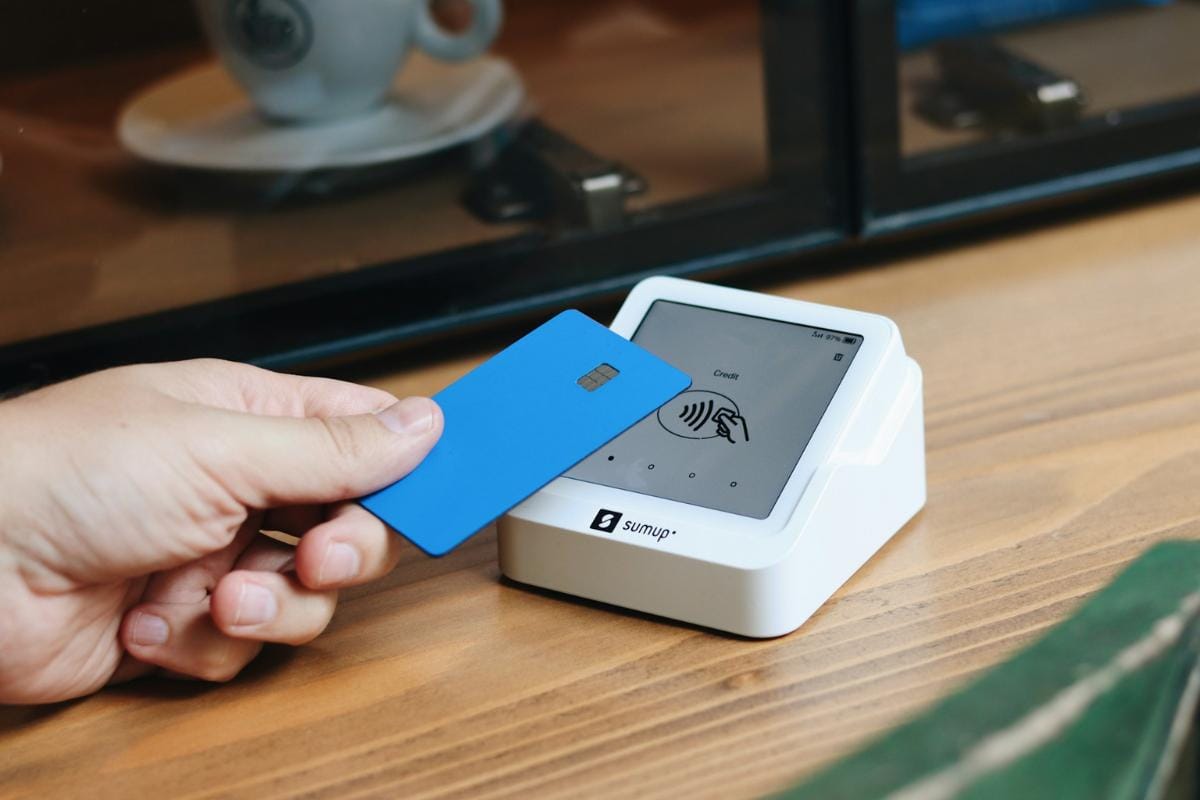
Shoppers will soon be able to spend hundreds of pounds with a single tap as the £100 contactless cap is scrapped. From March 19th, the Financial Conduct Authority (FCA) is removing the spending limit, handing control to consumers to set their own maximum, or none at all.
However, with growing concerns around consumer protection and evidence showing contactless fraud more than doubled after the limit was increased to £100 in 2021, experts at MoneySuperMarket are sharing tips to help people avoid becoming victims.1
While it may provide more convenience for larger purchases, experts also warn it could lead to more impulsive purchases and increased spending and risks of debt.
Kara Gammell, Personal Finance Expert at MoneySuperMarket, commented:
“Contactless payments are quick and convenient, but it’s important to stay alert. With the £100 limit removed, you could pay much higher amounts with just one tap, which makes it easier for fraudsters to take advantage. The good news is that a few simple steps can help keep your money safe: never share your PIN, regularly check your statements or banking app for any unusual transactions, and consider setting up spending alerts. It’s always easier to prevent fraud than to fix the damage later.”
Kara shares practical ways to protect yourself from contactless card fraud
Secure your cards:
- Avoid keeping cards in open bags or pockets: This makes them easier to steal.
- Use an RFID-blocking wallet to stop skimming devices reading your card data:These wallets use metal layers to block radio waves that skimming devices use to read card data.
- Don’t let anyone take your card out of sight when paying: This is crucial to prevent theft or card skimming.
- Always ask for a receipt: This helps track your transactions so you can easily spot anything suspicious.
Monitor your accounts:
- Set payment notifications: You can set up alerts through most banking apps, so you’ll be alerted to any unexpected payments.
- Monitor your bank statements regularly for any unauthorised transactions: This helps you to keep a track of any suspicious activity on your card.
- Report it to your bank: Contact your card provider as soon as possible if you see any transactions you don’t recognise or if your card has been misplaced or stolen.
- Setting a lower limit: Some banks allow customers to set a lower contactless limit, ask yours.
Protecting your digital wallet against thieves
Kara Gammell, Personal Finance Expert at MoneySuperMarket, added: “With half of UK adults using mobile payments at least once a month, it’s vital to keep your phone secure.2 If your device isn’t properly protected, thieves could gain access to sensitive financial information. Recent analysis by MoneySuperMarket shows mobile phone and accessory thefts on the London Underground have surged by over 400% since 2021, making strong security measures more important than ever.3”
Experts at MoneySuperMarket recommend following these steps to ensure no one could access your banking information if your phone does end up in the wrong hands:
- Secure your phone: Set up fingerprint and/or facial recognition on your phone, photo album, messaging apps and mobile banking apps to stop thieves accessing your finances. On iPhones with iOS 18, you can use Face ID to lock apps like Photos, WhatsApp, and social media. Just press and hold the app icon, tap Require Face ID, and confirm. Using an older iPhone? Touch ID works too. On Android, most phones let you lock apps in Settings. If yours doesn’t, download a trusted app-lock tool.
- Switch on stolen device protection: This feature means even when your phone is in an unfamiliar location (not at home or work for instance), Face ID or Touch ID will be required to use your Apple Wallet. Stolen Device Protection also means that there will be an hour delay in changing certain settings, such as removing and changing the phone’s password – which gives you extra time to report your phone as stolen and lock it remotely.
- Avoid storing ID photos in photo albums or messages: If someone gets access to your phone, these could be used for identity theft or even to access your bank accounts.
- Don’t store passwords: Make sure sensitive information isn’t stored in your phone notes or anywhere thieves could access on your phone.
- Do a ‘digital wallet’ audit to limit the number of cards stored on your device: While physical debit or credit card has a contactless limit of £100, payments made via Apple, Samsung, and Google Pay do not, which means that thieves could make large transactions even whilst the limit is still in place.
- If your phone or card is stolen, contact your bank to report any cards that were on it as soon as possible.
Kara Gammell shares three ways to stay in control of your spending
With UK Finance data revealing the average contactless transaction value soared by nearly 30%, after the limit was increased to £100 in October 2021, there are concerns spending will increase, when the limit is scrapped next month.4
Kara Gammell, Personal Finance Expert at MoneySuperMarket, shares her top three tips to avoid overspending and keep in control of your finances when the limit is axed.
- Master the 24 hour rule
“With the £100 contactless limit gone, more can be spent with just one tap, removing the ‘pause for thought’ that often happens when you have to enter your pin.
“If you’re tempted by an impulse buy, try the 24-hour rule: pause for a full day before making the purchase to give yourself time to think.
“Another trick is the ‘stranger test’: imagine a stranger holding the item in one hand and the cash equivalent in the other. For example, if it’s a £300 leather jacket, which would you rather take? Research shows most people would actually choose the money.”
- Carry cash
“In a world that’s increasingly cashless, it’s easy to assume notes and coins are a thing of the past. But when you’re tapping away with contactless, it’s easy to get carried away and spend more than you might if it was hard cash.
“Withdrawing a set amount of cash – particularly for high-impulse spending like food or clothes shopping – can help you monitor your spending and stay in control of your budget.”
- Set your own limit
“Despite the FCA scrapping the £100 contactless limit in March, many banks will allow you to set your own limit directly through their apps – a feature some already offer. It’s a simple step that takes just a few minutes, but could make a big difference to your spending – encouraging you to think twice before you tap.
“Consider lowering your limit or even switching contactless off altogether. Having to enter your PIN instead of tapping may seem like extra effort, but it adds “friction to the payment process,” creating a pause for thought moment, which may be enough to stop a one-tap purchase you might later regret.”




![[UNS] celebrate](https://ifamagazine.com/wp-content/uploads/wordpress-popular-posts/801986-featured-300x200.webp)