
New research from BDO’s recently launched report, WealthAnalysis: A psychosocial study of trust in the lives of the wealthy, puts a precise and somewhat sobering number on an issue many advisers will recognise instinctively. Just 30% of Britain’s ultra-high-net-worth (UHNW) families have a fully developed and implemented succession plan. Richard Montague, Private Wealth Partner at BDO, discussed how this is both a significant challenge and a clear signal of the role the adviser community can, and must, play in helping clients move from intention to action.
One positive is that the majority of UNHWs who have not yet done so are not, for the most part, indifferent to succession – many simply believe they have already addressed it.
In fact, 60% of the 200 UNHWs surveyed in the research say they have a succession plan in place, but half of those admit it has not been implemented. And that gap between perception and reality is precisely where advisers can add the most value.
The illusion of the plan
The distinction between a written plan and a living one is fundamental, and it is one that wealthy individuals frequently misunderstand. A succession plan only truly exists when it is actively communicated, tested and followed through. In that respect, it is entirely different from a will.
A will allocates assets. It takes effect at death, can be written in confidence with a solicitor, and requires no input from those who will be most affected. A succession plan, by contrast, is a living framework developed in open partnership with advisers, heirs and successors, active throughout life, and designed to progressively transfer not just wealth but responsibility.
A strong succession plan allows planning over time, takes advantage of lifetime giving reliefs, and educates the next generation on what stewardship of significant wealth actually means. In that respect, a document written but never discussed is not a succession plan; it is, at best, a deferred conversation.
A reactive rather than strategic approach
But what prompts many UNHNWs to keep deferring?
Timing is a significant factor. A third of those surveyed expect their wealth transition to occur a decade or more away, creating a sense of distance that makes urgency feel misplaced.
When families do meaningfully engage with succession, the trigger is rarely calm and considered, it is more often a jolt. For example, our research shows that the events most likely to prompt UHNWs to begin thinking about succession are a business sale or a tax or legislative change, both cited by 52% of respondents. Divorce and relocation overseas also feature as catalysts.
These are not ideal conditions for long-term strategic planning. They are moments of pressure, when time is compressed and emotions are running high. Succession approached in reaction to a business sale or a Budget announcement is succession optimised for the immediate problem, not for the enduring interests of the family.
This reactive pattern is one of the most consistent risks we see in practice, and it is one that proactive adviser engagement is uniquely positioned to interrupt.
Indeed, advisers have a critical role to play in creating the conditions for planning to happen earlier and more deliberately, for example by raising succession as an ongoing agenda item rather than waiting for a crisis event to bring it to the surface.
The communication gap
Perhaps the most striking finding in our research concerns not what families are planning, but who is, and isn’t, involved when they do it.
Nine in ten UHNW families report wealth-related disagreements.The most common flashpoints are how wealth is invested, roles and responsibilities in the family business, and involvement or exclusion from decision-making.
What’s more, UHNWs put ongoing family communication last in their list of factors important for intergenerational wealth transfer, indicating that when important decisions are taken, the next generation may not be in the room.
These factors matter for advisers because they shape the landscape they will eventually have to negotiate – unresolved tension among family members does not disappear when a transition occurs, it often intensifies.
The adviser as architect of governance
This is where the adviser relationship can perhaps add the most value to succession planning.
Our research points clearly to the value of building what might be described as a ‘human operating system’ for the family – a structure through which members can reach alignment around shared purpose and learn to deal with disagreement constructively.
That system requires family constitutions and governance frameworks, but also something more fundamental – the habit of having difficult conversations, which builds incrementally, long before everything depends on getting them right.
When families start these conversations in calmer times, early meetings become rehearsals. Transparent and inclusive meetings provide opportunities for all stakeholders to develop the skills needed to discuss hard subjects, work collaboratively, and understand family dynamics before the stakes are critically high.
Advisers are well placed to both help establish, and then serve as trusted intermediaries within, these conversations. Their role in this scenario is not just one of technical expert, but as facilitator who can help families access a shared voice and create the safety needed for honest dialogue.
A challenge and opportunity
Arguably, the underlying cause of the 70% succession gap is no huge mystery. It is the result of many UNHW families treating wealth transition as something to be managed at the point of crisis rather than built as a long-term discipline.
For advisers, the research makes the opportunity clear. The families best placed to successfully navigate succession are those who invest early in the strong levels of communication, governance and trust across generations – well before the stakes become too high to bear.
Advisers are uniquely positioned to start and guide these crucial conversations.
The full report, ‘WealthAnalysis: A psychosocial study of trust in the lives of the wealthy’ is available to download now.
About the research: BDO surveyed 200 UHNWs between 2nd and 25th September 2025, defined as individuals with £20 million in investible assets or £50 million in total assets, or the spouse or child of such individuals.
All had a connection to the UK through residence or family. BDO also surveyed 100 advisers, equally divided between law firms, private banks, family offices, fiduciaries and private client tax teams at accounting firms.
About Richard Montague
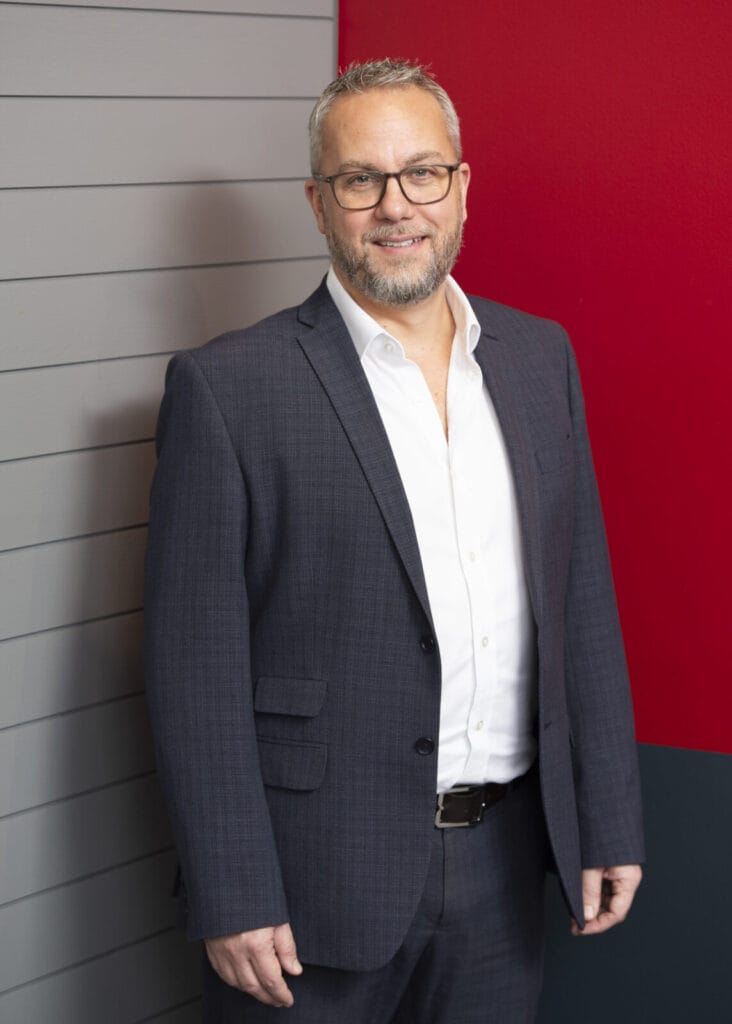
Richard specialises in private client work, with a particular focus on entrepreneurs. His client base includes ultra-high-net-worth families (and their family offices), primarily based in the UK but with significant international interests.
From 2014 to 2019, he served as Chairman of the International Private Client Group at BDO International. Richard continues to travel regularly to the world’s major financial centres to meet with BDO colleagues and external contacts, sharing knowledge and developing business at a global level.
Richard has over 25 years’ tax experience, have been with BDO since June 2000, and is a member of the Chartered Institute of Taxation. He is recognised as a leading adviser to private clients within the industry, as reflected in various awards and accolades.