
Women in the UK receive only two-thirds (67%) of income that men receive from private pensions, research from Bowmore Financial Planning shows*.
In the 2024/25 tax year, the average income from private pensions for women was £11,500, compared with £17,200 for men. The gap between men and women’s pensions has actually widened over the last few years (see graph below), with women’s private pension income standing at 71% of men’s in 2020-21.
The pensions gap is far wider than the overall gender pay gap – where women earn an average of 87% of what men earn.
Bowmore says women’s pension incomes are lower than men’s largely as a result of the gender pay gap, which limits how much women can save for retirement. Women are also much more likely to take career breaks or reduce their working hours to care for children or relatives, meaning they miss out on pension contributions or contribute less.
Gill Millen, Managing Director at Bowmore Financial Planning, says: “It is concerning that women’s pension incomes are so much lower than men’s. Women not only earn less but often stop contributing to their pensions when they step out of work to care for family.”
“The compound growth of investments means that the gap between what men and women invest can look even more daunting when they come to retire.”
Even short breaks in pension contributions can have a lasting impact in women’s pensions savings, as they miss out on the compound growth those savings would have generated, says Gill Millen.
Gill Millen explains: “Gaps in pension contributions leave women’s pensions lagging behind, and it takes far more effort to bring them back up to speed. Even modest contributions made while caring for children or older family members could have generated returns of their own.”
High-earning women miss out on key benefits to boost their income upon retirement
High-earning women need to make the most of existing benefits to avoid gaps in their pension contributions, says Gill Millen, adding that pension contributions can be used effectively not only to reduce 40% or 60% tax rates, but can also be used as a general planning strategy, enabling people to claim back lost Child Benefit or free childcare where income exceeds £60,000 or £100,000 respectively. There may also be the option to start by claiming Child Benefit during maternity leave.
Gill Millen says: “Many high-earning women do not claim Child Benefit because they mistakenly assume they would not be entitled to any benefits. In reality, a claim can help them secure a better State Pension, even if their income means they do not receive a payment at the time they apply.”
People need at least 35 ‘qualifying’ years of National Insurance Contributions (NICs) to receive the full State Pension upon retirement, with payments pro-rated for those with fewer years. Claiming Child Benefit helps women avoid NICs gaps during their maternity leave through NI ‘credits’.
Gill Millen says: “High-earning women who skip Child Benefit risk having a lower State Pension in retirement, and for no good reason.”
She adds that making use of salary sacrifice (or salary exchange) on pension contributions into a workplace pension plan is a further way of maximising cost efficiency with the additional National Insurance savings either helping to increase net take home pay or further enhancing pension savings.
“However, salary sacrifice is likely to be heavily restricted in 2029 so you will need to take full advantage of salary sacrifice over the next three years.”
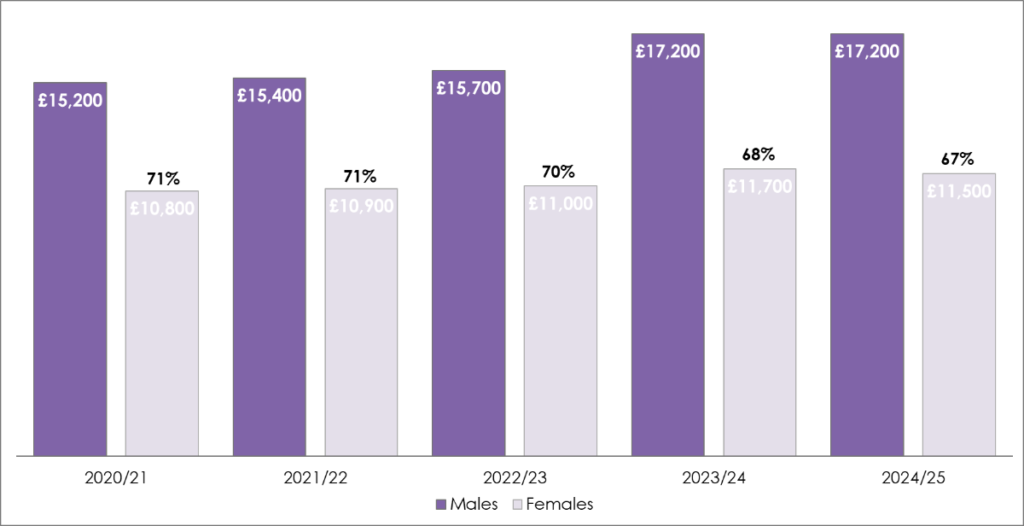
* The research is based on HMRC data from tax years 2020/21 to 2024/25. Figures pertain to income from private pensions.