New data from The Lang Cat’s State of the Advice Nation report suggests paraplanners are increasingly viewing the role as a career in its own right, but with lingering uncertainty. Falling interest in adviser pathways and low confidence around progression point to a profession still defining its future. We have been given exclusive early access to the results to share with our readers!
Many paraplanners want to progress their career within the profession but lack confidence over achieving career goals, according to a new study published today by the lang cat.
Findings from the consultancy’s latest State of the Advice Nation (SOTAN) now in its eighth year, reveal that 51% of paraplanners see their future career path being developed within their current discipline.
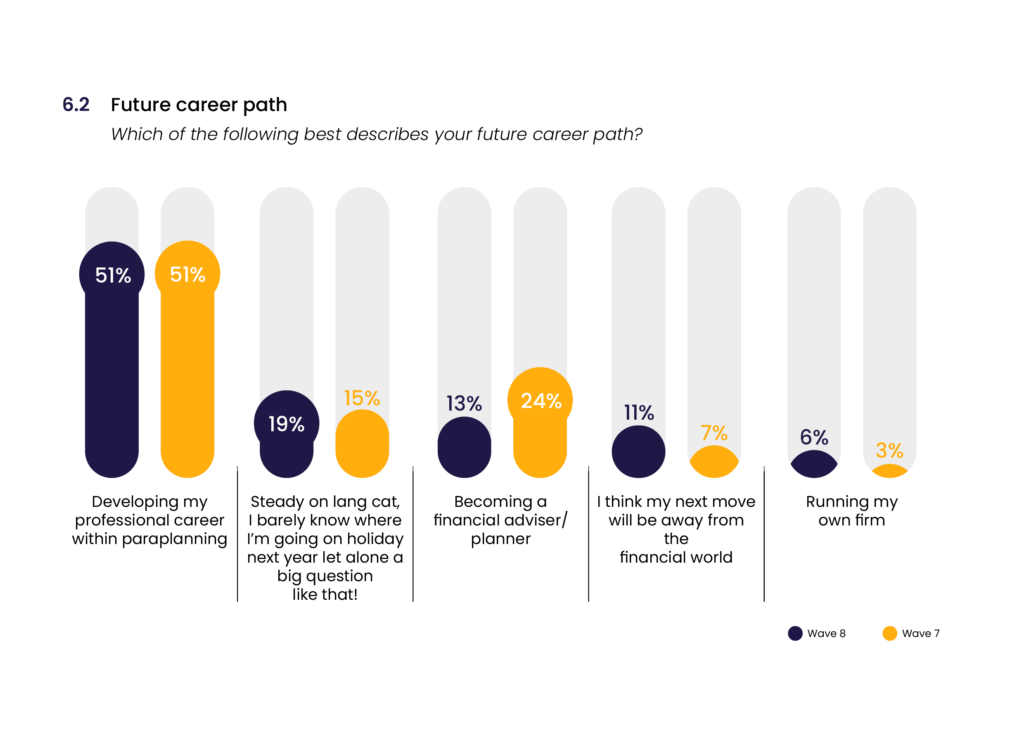
The report also highlights an 11-percentage point decrease to 13% who see their futures in financial advice/or planning compared to 2025.
Despite this, the majority (more than 70%) of those who want to develop as paraplanners feel slightly less confident about achieving their next career path goal in the next 2-3 years.

The findings suggest “structural issues” relating to a lack of definition surrounding the role of paraplanners and entry points into the profession as opposed to “motivation “amongst candidates.
Amongst the issues in the report from paraplanner testimonies are, poor understanding of their roles within the sector, visibility of the role as a career and it not being well defined which leads to a “barrier for entry” when it comes to trying to attract new blood and ensure the profession’s “long-term sustainability”.
The report suggests that where paraplanning was visible it, to the annoyance of those in the profession, it was framed as a “stepping-stone” to other jobs, with respondents suggesting it deserves to be viewed as a specialist profession in its own right.
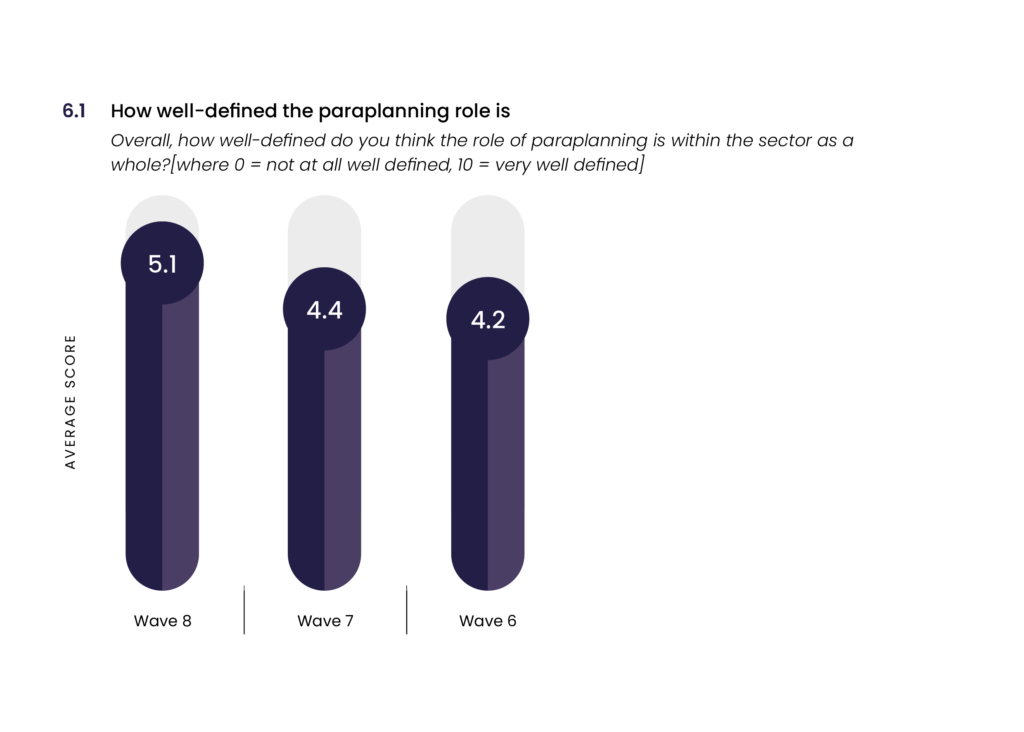
This is the third year that SOTAN has been collecting the views of paraplanners. When asked to rate how well-defined the role was in the sector, where 0 was not at all and 10 was very well defined, the average score was 5.1. Although this represents a gradual increase from Wave 7 (4.4) and Wave 6 (4.2) this still suggests paraplanners feel the industry doesn’t have a collective understanding of their role within firms.
For more info about SOTAN visit: Home – The Lang Cat
Steve Nelson, insight director at the lang cat, said: “Despite being a core part of the advice process, paraplanning is still lacking its definitive place and recognition within the sector.
“SOTAN highlights consistently that many paraplanners want to carve out a career from within the profession and find it frustrating that most of the visibility for the profession centres around it being a stepping stone for advice.
“Some have described having to repeatedly explain what a paraplanner is, even to those within the industry, with one noting the frequency that this occurred being staggering. Into the bargain, a lack of developed leadership and career paths, along with visibility which misrepresents the role creates a significant barrier for entry when trying to attract new blood.
“The fact there’s a gap between what paraplanners aspire to for their careers and how confident they are in achieving it, is disappointing and suggests structural issues rather than problems with motivation.
“If we want to ensure this critical profession can ensure its long-term sustainability and develop, we need to listen to its professionals and be more receptive to what they are telling us.




![[UNS] celebrate](https://ifamagazine.com/wp-content/uploads/wordpress-popular-posts/801986-featured-300x200.webp)