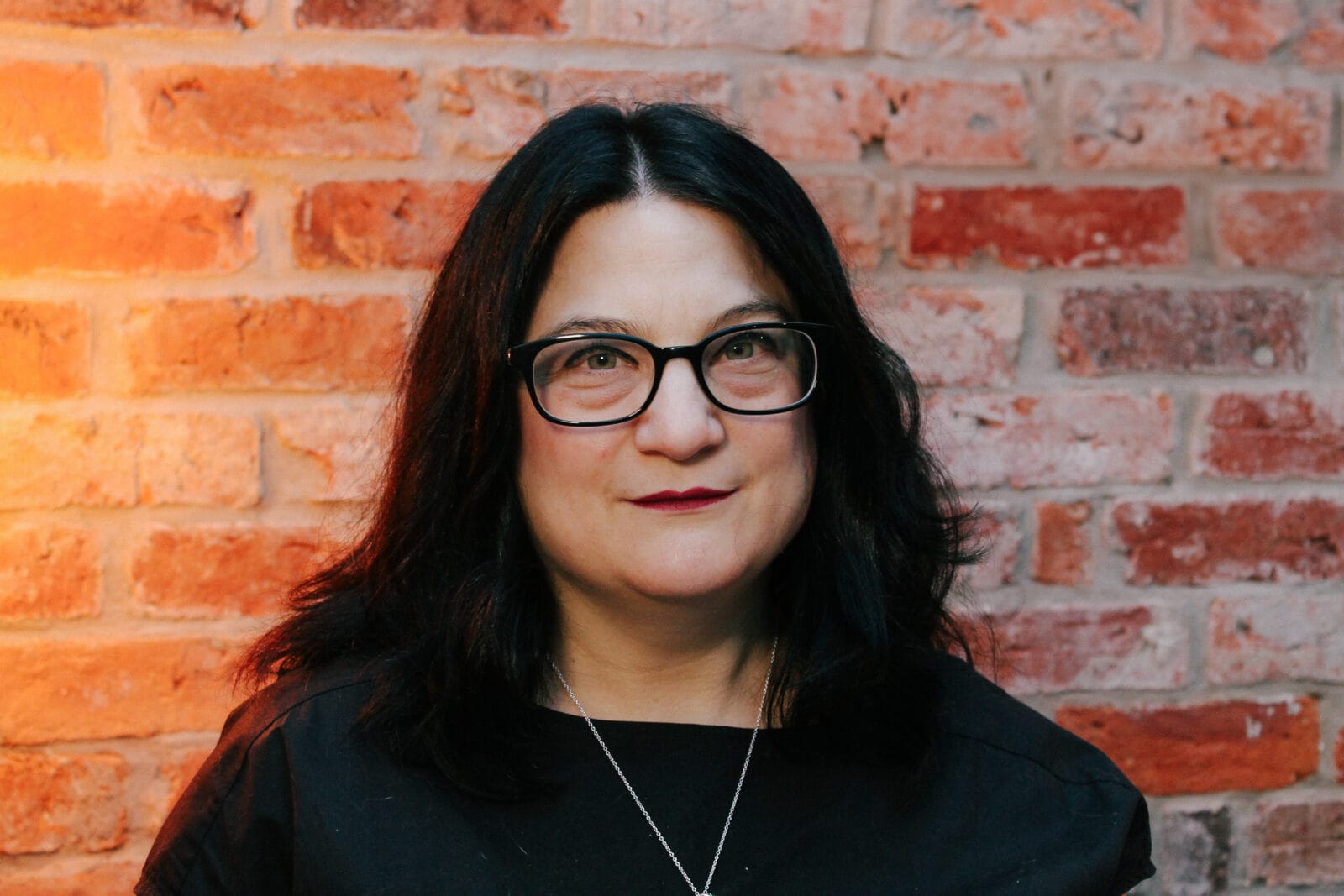
When it comes to pensions, the only constant seems to be change. Regulation, products, markets, everything’s in motion, and it’s no wonder advisers are finding it harder than ever to give clients long-term confidence. But amid the noise, there’s still plenty of progress being made. Jenny Hunter, Deputy Editor at IFA Magazine, caught up with Daniela Silcock, Independent Pensions Consultant, to get her take on what’s really going on, and what advisers should be focusing on right now.
Daniela is a key player in pension research and the analysis of policy, regulation, and demographic change. It’s fair to say she’s earned her stripes as a pension expert, and she’s watching the next phase of regulatory reform closely.
From rules to results
“We’re seeing a real change in regulator focus to outcomes for savers,” Daniela explains. “You can see this in the new value for money framework and in how regulators are looking at changing regulation for trustees, requiring there to be more of an actual demonstration of how behaviour and actions affect outcomes for savers.”
That shift, she says, means advisers will need to show clearly how their recommendations deliver sustainable retirement income, fair charges, and a good experience for clients. “The regulator will probably want to see evidence that people are actually getting some real value from what they pay for.”
At the same time, a new middle ground is emerging between guidance and full advice. “We will see more personalised support being offered via the targeted advice option that is being introduced,” she adds. “It’s designed for people who maybe cannot afford or don’t want to use full planning, but it will introduce more structured advice processes and stronger suitability tests.”
That evolution is only one part of a bigger picture. Daniela believes advisers will increasingly need to “account for clients’ full situation, pension pots, debt, health, family life expectancy, future spending needs and make sure recommendations genuinely fit the person”.
Let’s talk about risk
When asked whether advisers might be underestimating certain risks, Daniela doesn’t hesitate. “I think we stay a bit too much in the financial realm,” she says. “One of the risks, or collection of risks, that aren’t necessarily being taken into account, is those connected to climate change, ESG and particularly nature.”
It’s a fresh angle on an issue most people associate only with investment portfolios. “Extreme weather is pushing up home insurance costs or making some homes uninsurable,” she points out. “We’re seeing food prices rising, supply issues, crop failures. In the future, if we have rising sea levels, it might be harder to own a home in certain areas, and it might reduce the supply.”
These pressures, she says, are already filtering through to retirees’ day-to-day budgets. “I’m not sure the degree to which advisers are taking that into account when they’re saying what people might need when they retire. Probably looking at more of a status quo than thinking all of these issues are going to affect the availability of the goods and resources that people need.”
Then there’s the cost of care, which Daniela calls “a big risk that needs to be taken more into account.” With little policy direction from the government, she warns, “people can be quite surprised by how little help they get. You might need to sell your house, or you might need to spend down your savings. We need to build some form of care planning into retirement strategies early in order to prevent a nasty shock.”
It’s not regulation holding advisers back
Despite all the changes, Daniela isn’t convinced that regulation is the real obstacle. “I don’t actually think regulation’s hindering. I don’t think that’s what’s holding them back,” she says. “The bigger challenge actually comes from the product market and client behaviour.”
She highlights a growing mismatch between what people want and what’s available. “People want to keep control of their pensions but also want a guaranteed income in later life. But we’re not yet seeing enough products that offer both guaranteed income and flexible withdrawal.”
Behavioural challenges are just as pressing. “Even if you have a very good retirement plan, if the client panics during market volatility, takes out too much too soon, or doesn’t stick to the agreed withdrawal rules, it can all go wrong, and that’s not necessarily something regulation can solve.”
Her advice? “Use simple planning tools, visual explanations, automatic reviews and spending rules that make decisions easier and reduce emotional reaction, work with behaviour rather than against it.”
Building better income strategies
So, what are advisers doing well? Quite a lot, actually. “Most advisers are now using more dynamic income strategies,” Daniela says. “Rather than sticking to a fixed percentage, they’re reviewing withdrawals every year and adjusting them based on performance and inflation, which keeps spending at a safe level over time.”
She’s a fan of cashflow modelling and “bucket” strategies too: “One pot is for the next few years of spending and is held in cash or low-risk bonds, while the second pot is invested for steady returns, and then maybe a third pot for long-term growth so income can keep up with inflation.”
Some advisers are even blending annuities into later-life planning to hedge against inflation and longevity risk. “We are seeing advisers being quite creative,” Daniela notes, though she adds a word of caution. “Advisers often think you can have a higher withdrawal rate if you aim for a higher investment return, but maybe I’m just naturally cautious. I think if you assume there’s going to be quite a lot of volatility, maybe a slightly lower withdrawal rate that increases with inflation.”
Making it real for clients
Helping clients picture their future selves is crucial, Daniela believes. “A lot of this is around making it real, actually sitting down and talking about life scenarios and what people want out of their retirement, getting them to picture themselves at different ages.”
Visualisation tools can make a huge difference. “Showing a client a chart illustrating that their money could run out by age 82 if they withdraw too much can help change how they think, which is a lot more helpful than just talking about it in statistics.”
Tone matters too. “It’s important to make the conversation positive rather than scary,” she says. “So, framing it as ‘let’s plan carefully so that you have freedom in later life’ instead of ‘you might run out of money’.”
That’s where cashflow planning comes into its own. “That’s where some of the personalisation comes in, really understanding what people need to spend on and maybe helping them to think about what they need to do now to ensure they have enough money for tomorrow.
The inheritance tax factor
The conversation inevitably turns to tax and estate planning, topics that continue to generate anxiety among clients and advisers alike. “It used to be the case that many people would see pensions as a sort of tax-efficient way to give an inheritance,” Daniela says. “But now people are less likely to leave those large pots untouched.”
She warns against knee-jerk reactions to speculation around future tax changes. “There are dangers in drawing down too much simply to avoid future tax, because that can increase current income bills and also help you run out of money. So, I think don’t panic is the key.”
And while rumours persist that tax-free cash could be next on the Treasury’s list, Daniela offers a pragmatic take: “They’re pretty desperate to bring more money into the coffers. There is a suggestion that they might reduce the amount of the tax-free lump sum from 25% to 20%. At the end of the day, this isn’t going to affect that many people. Personally, I feel like the tax-free cash is a legacy that doesn’t make that much sense in our system anyway.”
Her suggested compromise? “Take away the tax-free cash, but reduce the amount that people are taxed on the entire withdrawal, so they still have to use all of it to support themselves in retirement, but they don’t lose out on that tax reduction.”
What would make the biggest difference?
If she could wave a magic wand, Daniela knows what she’d prioritise. “Some sort of policy stability would make the biggest difference. Frequent rule changes create confusion and make people delay decisions because they don’t know what’s going to happen.”
She believes a long-term framework with stable tax rules would help boost confidence and outcomes alike. “Advisers are reporting that they don’t always know how to advise clients, and clients don’t know what to do because pension rules are constantly changing.”
The other key? Accessibility. “Better access to retirement products. Making sure that all advisers have access to these hybrid products would be helpful. But we also need to help people understand how they work, really helping illustrate how different approaches can affect them in later life by helping them identify with their older selves.”
The bottom line
There’s no shortage of moving parts in the pension world, but Daniela’s message is reassuringly clear. Keep things personal, stay flexible, and don’t panic.
Advisers can’t control markets or politics, but they can help clients make informed, resilient decisions. And if policymakers could manage to leave pensions alone for just a little while, perhaps savers – and their advisers – could finally get the stability they deserve.
About Daniela Silcock
Daniela is a pensions and policy expert with over 20 years of experience across government, parliament, charities, and research institutes. She provides tailored research, policy analysis, regulatory briefings, and training to help organisations navigate the pensions landscape and shape effective strategies. Daniela is also a regular media contributor, with appearances on BBC News, ITV, Sky, Radio 4’s Today Programme and MoneyBox.
Her work is grounded in a commitment to diversity and inclusion, ensuring a range of perspectives are reflected and bias is actively addressed. She adapts her communication to different stakeholders and is known for her collaborative, strategic approach.